

First, let me state what you should already know. I AM NOT A DOCTOR and ANYTHING that I share here is only based on my personal experience and you should consult your physician for ANY medical issue….NOT this blog.


The being said, let’s talk about Hikers Rash aka Disney Rash, Golfers Vasculitis and Exercise Induced Vasculitis. Google any of those terms and you’ll be sent down an internet worm hole full of people wondering what the heck is going on with their legs. I haven’t mentioned it on here until last week because I like to keep things positive. But yesterday, to be totally honest, it stole all of the joy out of my otherwise glorious 16.5 mile training hike.


The day started at 6am, with a 23 lb pack and a group of awesome ladies training for their trips to Grand Canyon, Ice Age Trail and John Muir Trails. I had so much energy, and felt like I could have done 20 miles even with all of Afton’s hills. Bike commuting, occasional strength training and Saturday hikes have made me stronger and have made all the difference in my endurance (and confidence!).


But somewhere around mile 10, I felt it. The familiar burning, tightness and prickly feeling just above my ankles.

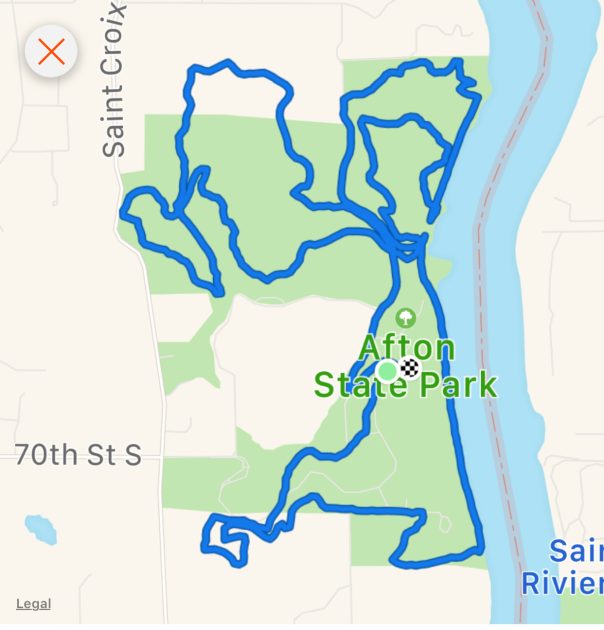
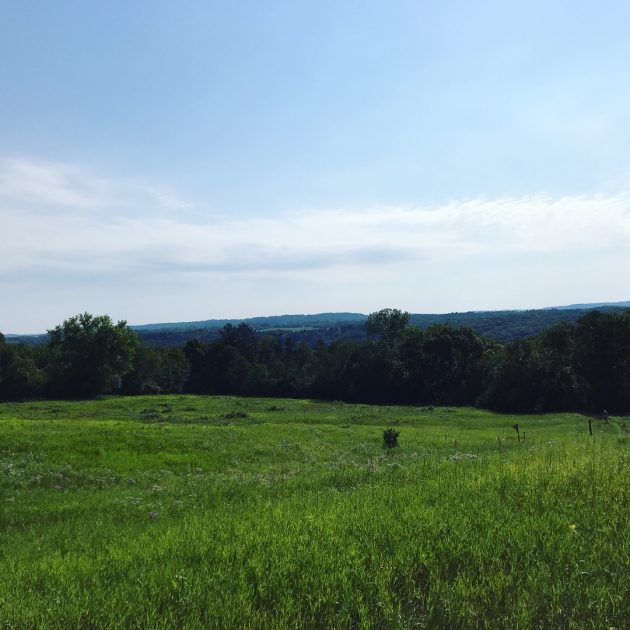
The discouragement set in about mile 14, as I popped one more electrolyte pill, hoping that would help. Nope. I drove the hour back home from the trail discouraged, tired of googling cures, treatments, scary internet diagnoses and having the fun sucked out of yet another summer hike that was over 80 degrees and 8-10 miles.
Here’s where I’m going to conclude my complaining part of the post, because so far, complaining about it just makes me feel worse. On the flip side, the only way to beat the darkness is to bring it into the light. So, my goal of this post is to share what I have tried and am trying next and hopefully help someone else. I should also note that I have been seen by two dermatologists and my primary care doctor to rule out anything more serious.


WHAT IS IT?
From what I can piece together Exercise Induced Vasculitis is basically an irritation of the blood vessels during exertion as the body tries to cool itself. It starts as blotchy hives and eventually blooms into a bright red flat discoloration of the lower legs that can result in swelling and feel hot to the touch. It is not always painful, but I have found that it has gotten a little angrier over the years and can feel like a sunburn.

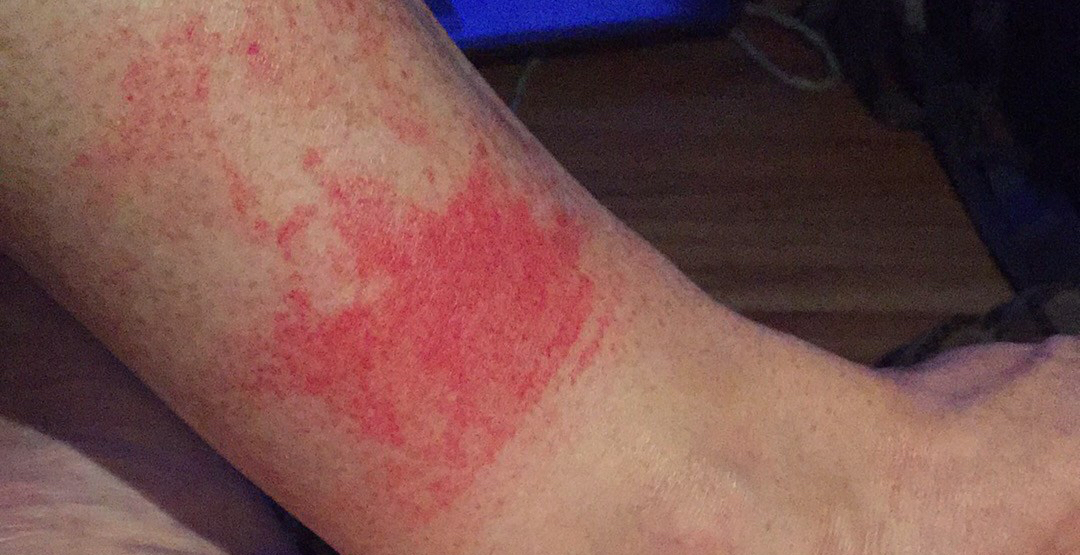
As I mentioned above, it has a few other cute nicknames due to where people are most likely to encounter it. It appears to be most common in women over 50, but affects younger people and men as well. I have personally noticed that my fair skinned friends seem to be more susceptible.
Considerations that I include on hikes that are over 80 degrees and 8-10 miles:
- Antihistamines
- Hydration
- Electrolytes
- Compression
UPDATE: I have added these considerations/treatments to my hikes and they have helped me.
- Soak legs in cold water ASAP and frequently during hiking breaks.
- Elevate elevate elevate. I now try to to get my legs up after a long hot hike, or during breaks.
- Don’t stand around, keep moving or elevate!
- I think compression socks help, I just make sure mine are not SUPER tight and that they breathe.


1. ANTIHISTAMINES
It is thought that histamines play a role in this condition and they get especially active in the heat. As you get older, your histamine levels can increase too. So I always make sure to take my antihistamines the day before and day of a hike (which I take for seasonal allergies)


2. HYDRATION
Staying hydrated is important no matter what, but water is especially critical for maintaining your internal cooling system. I try to drink 2-3 liters on long hot hikes.
3. ELECTROLYTES
Typically, I try to have an electrolyte drink at least one day before and a couple on the day of a big hot hike. Yesterday I tried a new electrolyte supplement that was recommended to me, but I didn’t feel a noticeable a difference. I’ll try it again, but taking a pill every hour or two was kind of hard to remember to do vs just drinking a flavored drink.


I noticed a couple of years ago that wearing compression socks as a recovery seemed to help my rash dissipate quicker. I shifted to wearing compression socks or sleeves while hiking and I believe they have lessened the severity (except for yesterday – what the heck?!) and also help with leg fatigue. Wearing compression sleeves and lighter ankle socks instead of a full compression sock allows easier to access to feet if I need to address a blister (compression socks are kind of hard to get on and off quickly). Check out this two part foot care post to read more about how I care for my feet on and off the trail to prevent blisters and injury.
FINAL THOUGHTS
Unfortunately, none of the strategies I have listed above have resulted in a total cure, but they have seemed to help me a little.
Thanks for reading and shoot me a note in the comments if you have any tips that have worked for you.
UPDATE
Read Part 2 for more tips that I’ve tried since this original post and this helpful article with more information on ‘exercise induced vasculitis ‘ from a local nurse practitioner from the Duluth area. Hope it helps shed some more light on this annoying medical condition!
And be sure to check out the Wandering Pine Blog to read more about the many wonderful places I’ve (gratefully) hiked since this article was originally published.
Happy hiking!
~WP